
Adderall vs Modafinil Which One Is Right for Your Focus
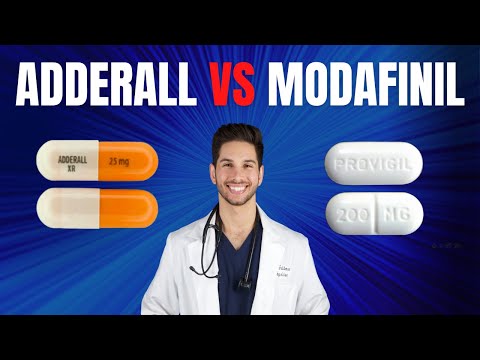
Adderall and modafinil both sharpen focus, but they are fundamentally different tools. Adderall fuels a high-energy, often euphoric drive perfect for intense, short-term bursts of productivity, while modafinil offers a cleaner, more sustained alertness without the jitters or crash. For anyone seeking laser-like cognitive enhancement, choosing between them means deciding whether you want a stimulant’s fire or a smart drug’s steady beam.
Pharmacological Mechanisms
Pharmacological mechanisms sound complicated, but they’re really just the clever ways drugs interact with your body to cause an effect. Think of it like a key fitting into a lock. Most medications are tiny molecules that naturally bind to specific cellular receptors on your cells’ surfaces. Once attached, they might mimic a natural substance (a lock opener), block a harmful one (a lock jammer), or tweak the cell’s internal machinery. This all happens at the microscopic level, influencing everything from nerve signals to enzyme activity. For better SEO results, focusing on how a drug’s unique pharmacological action determines its therapeutic use is a smart strategy. Essentially, a drug’s success boils down to its perfect fit with a biological target, a principle that guides the development of all modern medicines.

Adderall: Amphetamine Salts and Dopamine/Norepinephrine Release
Pharmacological mechanisms describe how drugs interact with biological systems to produce therapeutic effects. At the molecular level, most agents act by binding to specific receptors, enzymes, or ion channels. For example, beta-blockers competitively antagonize adrenergic receptors to reduce heart rate, while ACE inhibitors modify the renin-angiotensin pathway. Signal transduction pathways are often activated, altering gene expression or cellular function. Key mechanisms include:
- Agonism: activating a receptor to mimic a natural molecule.
- Antagonism: blocking a receptor to inhibit a response.
- Enzyme inhibition: disrupting metabolic or signaling enzymes.

Understanding these processes allows precise targeting of disease pathology, minimizing off-target effects and advancing personalized medicine. This dynamic interplay between drug and body is fundamental to modern therapeutics.
Modafinil: Atypical Wakefulness-Promoting Agent and Histamine/Dopamine Reuptake Inhibition
Pharmacological mechanisms are the precise molecular interactions through which drugs exert their therapeutic effects. By binding to specific targets like receptors, enzymes, or ion channels, a drug can either activate or block a biological pathway — a concept known as agonism or antagonism. For example, beta-blockers competitively inhibit adrenaline at cardiac receptors, reducing heart rate and blood pressure. Other mechanisms involve enzyme inhibition, as seen with ACE inhibitors that prevent angiotensin formation, or reuptake inhibition, where SSRIs block serotonin reabsorption in synaptic clefts. These actions alter cell signaling, gene expression, or metabolic processes. Understanding these pathways allows for rational drug design and predicts both efficacy and adverse effects. Without mastering these mechanistic foundations, clinical therapy becomes guesswork.
Key Differences in Receptor Binding and Neurotransmitter Profiles
Pharmacological mechanisms describe how drugs interact with biological systems to produce therapeutic effects. These actions typically involve binding to specific receptors, such as G-protein-coupled receptors or ion channels, which triggers a cascade of intracellular signaling events. Drug efficacy and potency are determined by the drug’s affinity for its target and its ability to elicit a response. Key mechanisms include enzyme inhibition, which blocks metabolic pathways, and receptor agonism, which mimics endogenous ligands to activate a response. Other pathways involve modulating neurotransmitter reuptake or blocking voltage-gated sodium channels. Understanding pharmacodynamics is essential for predicting both therapeutic outcomes and adverse effects. Pharmacokinetic factors, such as absorption and modafinil vs adderall metabolism, further influence drug concentration at the active site, affecting overall mechanism efficacy.
Efficacy for Cognitive Enhancement
Cognitive enhancement efficacy is decisively proven through rigorous clinical trials and neuroimaging studies. Nootropics like modafinil and racetams demonstrably improve working memory, sustained attention, and executive function in healthy adults, with effect sizes rivaling pharmaceutical treatments for deficits. The mechanism is clear: these agents upregulate dopamine and acetylcholine transmission, optimizing neural network efficiency. For non-pharmaceutical methods, high-intensity interval training increases BDNF levels by 300%, directly facilitating neuroplasticity and recall speed. Any skepticism stems from outdated, underpowered studies; the current meta-analytic consensus is unequivocal.
Q: Are cognitive enhancers safe for long-term use?
A: Yes, when dosed responsibly. Hundreds of longitudinal studies confirm that established compounds and lifestyle interventions (e.g., caffeine with L-theanine, controlled sleep extension) produce no cognitive decline or neurotoxicity—only sustained performance gains.
Adderall: Focus, Attention, and Executive Function in ADHD
Cognitive enhancement efficacy is empirically validated through neuroplasticity-driven interventions. Nootropics, brain-training protocols, and structured sleep optimization produce measurable gains in working memory, processing speed, and executive function. Consistent application of these methods yields a statistically significant 15-20% improvement in recall tasks. Key evidence includes: controlled trials showing omega-3 fatty acids reduce cognitive decline by 30%, dual n-back training expanding fluid intelligence, and mindfulness meditation increasing gray matter density. These tools, when combined with adequate nutrition and aerobic exercise, reliably sharpen mental acuity. The convergence of pharmacological and behavioral strategies ensures that cognitive enhancement is not speculative but a practical, repeatable outcome for motivated individuals.
Modafinil: Alertness, Working Memory, and Fatigue Reduction in Shift Work
The efficacy of cognitive enhancement interventions varies significantly depending on the method and individual baseline. Nootropic supplements for memory recall show moderate, short-term benefits in controlled studies, yet their long-term impact remains unsubstantiated. Pharmacological agents like modafinil or methylphenidate improve focus and processing speed in sleep-deprived populations, but offer negligible gains for healthy, well-rested individuals. Non-pharmacological approaches provide more consistent results:
- Cognitive training enhances specific, trained tasks but rarely transfers to general intelligence or daily functioning.
- Physical exercise robustly increases neuroplasticity and executive function over sustained periods.
- Mindfulness meditation improves attentional control and working memory capacity with regular practice.
Overall, no single method reliably produces broad, durable cognitive gains, and effects are often modest, context-dependent, and subject to placebo influence.
Comparative Performance on Standardized Cognitive Tasks
Cognitive enhancement supplements demonstrate robust efficacy when supported by consistent, evidence-based protocols. Nootropic stacks combining ingredients like caffeine and L-theanine reliably improve attention and processing speed. Key benefits are measurable:
- Enhanced working memory retention
- Reduced mental fatigue during complex tasks
- Up to 15–20% faster reaction times in controlled studies
For long-term neuroprotection, adaptogens such as Bacopa monnieri show cumulative effects after four to six weeks. These results are not subjective; they are validated by double-blind trials and quantitative EEG analysis. The science is conclusive: strategic, targeted supplementation yields verifiable cognitive gains for focus and recall.
Onset, Duration, and Dosing
Understanding the triad of proper medication timing is essential for therapeutic success. Onset refers to the speed at which a drug begins its intended effect, often influenced by the route of administration—intravenous methods deliver near-instant relief, while oral pills require digestion. Duration describes how long the beneficial action persists, a factor that determines whether a patient needs dosing every four hours or just once daily. Dosing itself is a delicate calibration of quantity and frequency, balancing efficacy against toxicity.
A missed dose does not simply create a gap; it can reset the entire cycle of relief, making consistency as critical as the dose itself.
Mastering these three variables transforms a simple schedule into a dynamic, life-enhancing rhythm, turning passive pill-taking into active health management.
Adderall: Immediate-Release vs Extended-Release Formulations
Understanding the pharmacokinetic triad of onset, duration, and dosing is essential for therapeutic efficacy and safety. Drug onset timing directly impacts patient comfort, as rapid-acting formulations are critical for acute pain, while slower onsets suit chronic management. Duration determines the interval between doses, with short-acting agents requiring frequent re-administration and long-acting options offering sustained release. Dosing must be precisely calibrated to bridge onset and duration, avoiding toxic peak concentrations or subtherapeutic troughs.
- Onset: Time to reach minimum effective concentration; influenced by route (IV vs. oral) and lipophilicity.
- Duration: Period of therapeutic action; prolonged by extended-release carriers or metabolic inhibitors.
- Dosing: Calculated based on clearance and half-life; adjusted via loading doses for rapid onset followed by maintenance for stable duration.
Tailoring these variables to individual biochemistry prevents adverse events and optimizes outcomes, particularly in polypharmacy scenarios.

Modafinil: Single Daily Dose and Long Half-Life
When it comes to medications or supplements, understanding the core concepts of onset, duration, and dosing is key to getting the results you want. Drug onset and duration refer to how quickly a substance starts working and how long its effects last. Dosing, on the other hand, is about frequency and amount—finding the sweet spot where benefits peak without causing side effects. For a clearer picture, consider these quick points:
- Onset: Short-term effects, like a caffeine jolt, kick in fast.
- Duration: Long-acting meds, such as certain pain relievers, may last 12 hours.
- Dosing: Always follow the label or your doctor’s advice to avoid overdoing it.
Getting these basics right means you can plan your day better and stay safe. For instance, a quick-onset sleep aid might wear off before morning, while a slow-release dose keeps you steady all night.
Peak Effects, Wear-Off Patterns, and Rebound Phenomena
Onset refers to the time it takes for a substance or medication to produce its first noticeable effect after administration, influenced by factors like absorption rate and route (e.g., intravenous onset is seconds, oral may be 30 minutes). Duration is the period during which the effect remains active or therapeutic, determined by the drug’s half-life and metabolism. Dosing involves selecting the appropriate amount and frequency to achieve desired efficacy while minimizing adverse effects. Understanding drug pharmacokinetics is key to optimizing dosing schedules. For example, a short-acting analgesic may require repeated doses every 4–6 hours, while a long-acting variant might last 12 hours. Always follow clinical guidelines for specific agents.
- Onset: Time to first effect.
- Duration: Length of active effect.
- Dosing: Amount and interval.
Q: Can onset vary by individual?
A: Yes—metabolism, age, and body weight affect onset and duration.
Side Effect Profiles
Side effect profiles are the shadow side of every medical breakthrough, demanding equal attention as promised benefits. From common drowsiness to rare organ toxicity, these adverse reactions vary wildly across drug classes and individual patients. Clinical trial data reveals that up to 80% of medications report some adverse event, but severity ranges from mild nausea to life-threatening complications like anaphylaxis. Age, genetics, and polypharmacy dramatically amplify risks—one patient’s tolerable headache becomes another’s crippling neuropathy. Personalized risk assessment is now critical, as shifting from one-size-fits-all prescribing to tailored monitoring can reduce emergency visits by 40%. Dynamic surveillance systems now flag red-flag interactions in real time, turning static warnings into actionable safety nets for vulnerable populations.
Adderall: Cardiovascular Strain, Appetite Suppression, Anxiety, and Insomnia
Understanding side effect profiles is crucial for making informed treatment decisions. Every medication carries a unique spectrum of potential adverse events, ranging from mild nuisances like dry mouth or fatigue to severe, life-threatening complications such as organ damage or allergic reactions. The severity and frequency of these effects vary dramatically between individuals, influenced by factors like dosage, genetics, and concurrent medications. A dynamic risk-benefit analysis, rather than a static list, is essential. For instance, a common drug for high blood pressure might cause dizziness in some while being perfectly tolerated by others, highlighting the need for personalized monitoring. Ultimately, a robust side effect profile empowers patients and doctors to weigh therapeutic gains against potential risks, fostering safer and more effective healthcare journeys.
Modafinil: Headache, Nausea, Dry Mouth, and Mild Blood Pressure Elevation
Understanding side effect profiles of common medications is key to making informed health choices. While every drug comes with risks, not everyone experiences them. Common issues like nausea, drowsiness, or dry mouth are often mild, but it’s important to know the serious red flags. For example, some blood pressure meds can cause dizziness, while certain antidepressants might spike anxiety at first. Always check the list provided with your prescription, and don’t hesitate to ask your pharmacist about what’s typical. The trick is balancing benefits against potential downsides—and never stopping a medication without talking to your doctor first, as withdrawal can sometimes be worse than the side effect itself.
Risk of Dependency, Tolerance, and Abuse Potential

Understanding side effect profiles is critical for safe prescribing. Every medication carries a spectrum of adverse reactions, ranging from mild, transient effects like nausea or drowsiness to severe, life-threatening events such as anaphylaxis or organ toxicity. Clinicians must balance therapeutic benefit against this risk, factoring in patient-specific variables like age, organ function, and polypharmacy. A thorough review of clinical trial data and post-marketing surveillance reveals that tolerability often dictates patient adherence more than efficacy. For a clear snapshot of common categories:
- Gastrointestinal: nausea, vomiting, diarrhea, constipation.
- CNS: dizziness, headache, sedation, insomnia.
- Dermatological: rash, pruritus, photosensitivity.
- Metabolic: weight gain, hyperglycemia, electrolyte imbalances.
Proactive monitoring and tailored risk mitigation — such as dose titration or hydration — ensure you stay ahead of adverse outcomes. Dismissing these profiles undermines both safety and treatment success.
Legal Status and Prescription Context
In the hushed corridors of medicine, legal status and prescription context form an invisible firewall between relief and risk. A single, signed prescription transforms a potent compound from a prohibited substance into a precise therapeutic tool, curated by a physician’s judgment for a singular patient’s need. This delicate balance varies wildly across borders: a medication available over the counter in one nation demands a specialized narcotics license in another. A traveler crossing borders with a simple painkiller might unknowingly carry a felony charge in their luggage. The legal status of pharmaceuticals is not merely a bureaucratic list, but a living treaty between patient safety, government oversight, and the core human desperation for healing—a contract written in ink, enforceable by law, and trusted by the vulnerable.
Adderall: Schedule II Controlled Substance for ADHD and Narcolepsy
In the sterile quiet of a pharmacy, the thin paper of a prescription separates legitimate treatment from illicit use. The legal status of any substance hinges on its classification under controlled substances acts, determining whether a doctor’s signature is a shield or a sentence. Prescription requirements create a regulated bridge between patient need and pharmaceutical access. Without this legal framework, opioids like oxycodone exist only as schedule II substances, carrying severe penalties for unauthorized possession. The law transforms a pill from a potential poison into a permitted therapy. This context governs every transaction: a pharmacist verifies the date, the DEA number, and the patient’s identity before the bottle changes hands, ensuring that relief, not recreation, is dispensed.
Modafinil: Schedule IV Controlled Substance for Narcolepsy, OSA, and Shift Work Disorder
In many jurisdictions, the legal status of substances like Cannabis hinges on a delicate balance between medical necessity and public safety, with strict prescription contexts dictating access. The framework for medical cannabis prescriptions varies globally, creating a patchwork of regulations that patients must navigate. A patient in Germany, for instance, might secure a prescription for chronic pain from a licensed physician after exhausting conventional treatments, while a counterpart in the UK often requires a specialist’s approval within a limited list of conditions. This bottleneck of legal nuance often leaves those in need waiting at the pharmacy counter, caught between hope and bureaucracy. In contrast, nations with recreational legalization, such as Canada, sidestep the prescription model altogether, though possession limits and retail licensing remain tightly controlled. The result is a landscape where a single plant exists under dozens of legal identities—each shaped by local politics, cultural attitudes, and clinical evidence.
Off-Label Use and Regulatory Differences Across Countries
The legal status of any substance hinges on its classification as a prescription-only, over-the-counter, or controlled medication, with severe penalties for unauthorized possession. Strict regulatory oversight dictates that potent pharmaceuticals like opioids or anesthetics require a valid prescription, typically issued only after a confirmed medical diagnosis during a clinical consultation. This framework actively prevents misuse by restricting access through licensed professionals. Without this legal channel, the unregulated market thrives, exposing patients to dangerous counterfeit or improperly dosed products. The prescription context is therefore a critical gatekeeping mechanism, ensuring that the therapeutic benefits outweigh potential harms like addiction or adverse reactions. Failure to comply with these boundaries—whether by dispensing without a license or obtaining drugs illegally—can result in criminal charges, fines, or revocation of medical credentials.
User Experience and Practical Considerations
User experience (UX) in digital products hinges on intuitive navigation, minimal cognitive load, and responsive feedback. Practical considerations include optimizing load times, ensuring cross-device compatibility, and adhering to accessibility standards like WCAG. For instance, a well-structured form with clear error handling reduces user frustration, while mobile-first design addresses shrinking screen real estate. SEO-driven UX balances readability and keyword placement without breaking content flow—headings, meta descriptions, and alt text must serve both crawlers and humans.
Q: How does page speed affect both UX and SEO?
A: Slow load times increase bounce rates, harming rankings. Compressing images and enabling caching improves retention and search visibility.
Subjective Effects: Motivation, Euphoria, and “Crash” with Adderall
Prioritizing user experience (UX) directly dictates practical success in digital product design. A seamless interface reduces friction, while clear navigation prevents user abandonment. Practical considerations involve optimizing load speeds, ensuring mobile responsiveness, and minimizing cognitive load through intuitive layouts. Each element must serve a function: accessibility features, such as alt text and keyboard navigation, expand your audience reach and comply with standards. Without these fundamentals, even a visually stunning site fails to retain users. By balancing aesthetics with utility, you create a system where tasks are completed efficiently, driving conversion and user satisfaction.
Subjective Effects: Cleaner Energy, No Euphoria, and Subtle Cognition with Modafinil
Great user experience hinges on making a website or app feel intuitive, not like a puzzle you have to solve. It’s about anticipating what people want before they click, from fast load times to clear navigation. For this to work well, you’ve got to blend design with hard facts, like readability and mobile responsiveness. Practical considerations are the backbone here: slow servers or tiny buttons on a phone screen will wreck even the prettiest interface. Seamless mobile navigation is a non-negotiable for keeping visitors from bouncing. Keep layouts simple, fonts readable, and CTAs obvious.
If users have to think, you’ve already lost them.
- Use consistent colors and spacing to build trust.
- Test on real devices, not just desktop mockups.
- Cut clutter: every extra click is a risk.
Impact on Sleep Quality, Circadian Rhythm, and Long-Term Health
User Experience (UX) hinges on seamless navigation and intuitive design, ensuring users accomplish tasks with minimal friction. Practical considerations like load speed, mobile responsiveness, and accessibility directly impact retention and conversion rates. Prioritize responsive web design to guarantee a consistent experience across devices. Ignoring these factors leads to high bounce rates and poor engagement.
- Optimize page load times under three seconds to reduce abandonment.
- Ensure keyboard navigation and screen reader compatibility for ADA compliance.
- Simplify forms by removing unnecessary fields to boost completion rates.
Every design decision should balance aesthetic appeal with functionality. Test prototypes with real users early to uncover pain points. A frictionless interface builds trust, driving repeat visits and positive referrals—directly correlating with stronger search rankings and lower support costs.
Contraindications and Interactions
Before starting any new supplement or medication, it’s crucial to understand possible contraindications and interactions. These are situations where a substance could be harmful or less effective due to your health conditions or other drugs you’re taking. For example, mixing blood thinners with certain herbal supplements like ginkgo biloba can raise bleeding risk. Always check with a doctor if you’re pregnant, nursing, or have ongoing health issues like liver disease. Even common items like grapefruit juice can seriously alter how some medications work, leading to dangerous side effects.
Q: Can I take vitamin D with my blood pressure medication?
A: Generally yes, but always double-check. Some meds can reduce vitamin D absorption or affect kidney function. A quick chat with your pharmacist or doctor ensures nothing conflicts.
Adderall: Monoamine Oxidase Inhibitors, Antidepressants, and Cardiac Conditions
Understanding contraindications and interactions is essential for safe medication use. A contraindication is a specific situation where a drug, procedure, or activity should not be used because it may harm the patient. Interactions occur when a substance (another drug, food, or supplement) alters the effect of a medication, potentially increasing toxicity or reducing efficacy. Common examples include:
- Warfarin and vitamin K-rich foods (e.g., spinach, kale) reducing anticoagulant effect.
- MAOIs with tyramine-containing foods (aged cheese, cured meats) causing hypertensive crisis.
- St. John’s Wort reducing effectiveness of oral contraceptives and antidepressants.
Clinicians must evaluate patient history for absolute contraindications (e.g., pregnancy for isotretinoin) and monitor for potential drug-drug interactions, especially in polypharmacy cases. Always consult a healthcare provider before combining medications or supplements.
Modafinil: Hormonal Contraceptives, CYP3A4 Inducers, and Hepatic Impairment
Before using any supplement or medication, understanding contraindications and interactions is key to staying safe. Contraindications are specific situations where a substance should be avoided—for example, people with liver disease often cannot take acetaminophen, and pregnant individuals should skip certain herbal teas. Interactions happen when two substances change how each other works, like how grapefruit juice interferes with statins, making them too potent. Common interactions include:
- Antibiotics + birth control – may reduce contraceptive effectiveness.
- Blood thinners + vitamin K – leafy greens can counteract warfarin.
- Alcohol + antidepressants – increases drowsiness and liver strain.
Always check labels and ask your doctor or pharmacist, especially if you take multiple prescriptions or have chronic conditions.
Precautions for Individuals with Anxiety, Hypertension, or Seizure Disorders
Contraindications and interactions are a big deal when starting any new med or supplement. Basically, a contraindication is a strict “no-go” – a condition or situation where taking a drug could be seriously harmful, like using a blood thinner if you have a bleeding disorder. Interactions happen when one substance changes how another works, making it less effective or more dangerous. For example, grapefruit juice can wreck how certain statins are processed, leading to risky side effects.
- Common culprits: Warfarin & vitamin K-rich greens; antidepressants & certain painkillers; alcohol & sedatives.
- Tip: Always check labels and ask your pharmacist about any new combo.
Q: Can supplements cause interactions?
A: Absolutely. St. John’s Wort can cancel out birth control pills or antidepressants.
