
Your Guide to Choosing the Best eSIM Card for International Travel
Tired of fumbling with tiny physical SIM cards or worrying about losing them when switching devices? An eSIM is a digital SIM embedded directly into your phone, allowing you to activate a cellular plan without a plastic card. You simply scan a QR code or download a carrier profile, instantly connecting to a network. This built-in chip also lets you store multiple plans, so you can easily toggle between your home number and a travel data package.
What Makes Embedded SIM Technology Different
Unlike a traditional plastic SIM you slot in, an eSIM is a tiny chip soldered directly onto your phone’s motherboard, making it permanently part of the device. This means you can’t physically remove it, but you can switch carriers by downloading a new profile over the air—no waiting for a card in the mail. It’s what allows you to store multiple plans at once, like a local line for travel and your home number, and toggle between them instantly in settings without swapping trays. The core difference is that the eSIM card is embedded, turning your device into a flexible, self-contained hub for cellular connections. Q: What makes embedded SIM technology different from a physical SIM? A: You can’t take it out, but you can change carriers remotely without handling a tiny piece of plastic.
How a Programmable Chip Replaces the Physical Plastic Card
Instead of a removable plastic card, an eSIM uses a tiny, soldered programmable integrated circuit embedded directly into the device’s motherboard. This silicon chip stores subscriber credentials within rewritable memory, not on separate plastic. Users download a carrier profile—a set of encrypted instructions—over a network connection, which writes the identity data onto the chip. This erases the need to manufacture, ship, or physically insert a plastic card. The programmable nature allows profiles to be swapped or deleted via software, effectively replacing the physical card’s role with an electrically altered data set within the chip’s permanent, non-removable substrate.
Key Differences Between Traditional SIMs and Digital Profiles
The primary distinction lies in physical versus digital provisioning. A traditional SIM is a removable, plastic chip tied to a single carrier, requiring a physical swap to change networks. In contrast, a digital profile is a software-based eSIM data file stored securely on the device’s embedded chip. This allows a user to download multiple profiles from different carriers and switch between them instantly without handling a card. The process eliminates the need to order, ship, or insert a new SIM; instead, activation occurs via a QR code or app. This makes managing multiple mobile profiles seamlessly from a single device a key operational advantage.
Why Mobile Networks Are Shifting to Remote Provisioning

Mobile networks are shifting to remote provisioning to eliminate physical SIM card logistics and dramatically reduce operational costs. Instead of manufacturing, shipping, and managing plastic cards, operators now push a profile directly to the embedded SIM over the air. This enables instant activation when a user chooses a plan, removing the need to wait for mail or visit a store. The shift also simplifies switching between network profiles globally, as users can download a new carrier’s profile without handling a SIM swap. Remote SIM provisioning cuts hardware waste and streamlines subscriber onboarding into a frictionless digital process.
- Removes the need for physical SIM card inventory and distribution
- Enables instant plan activation without retail or mail delays
- Simplifies multi-network switching by downloading profiles over the air
Step-by-Step Guide to Activating Your First Digital SIM
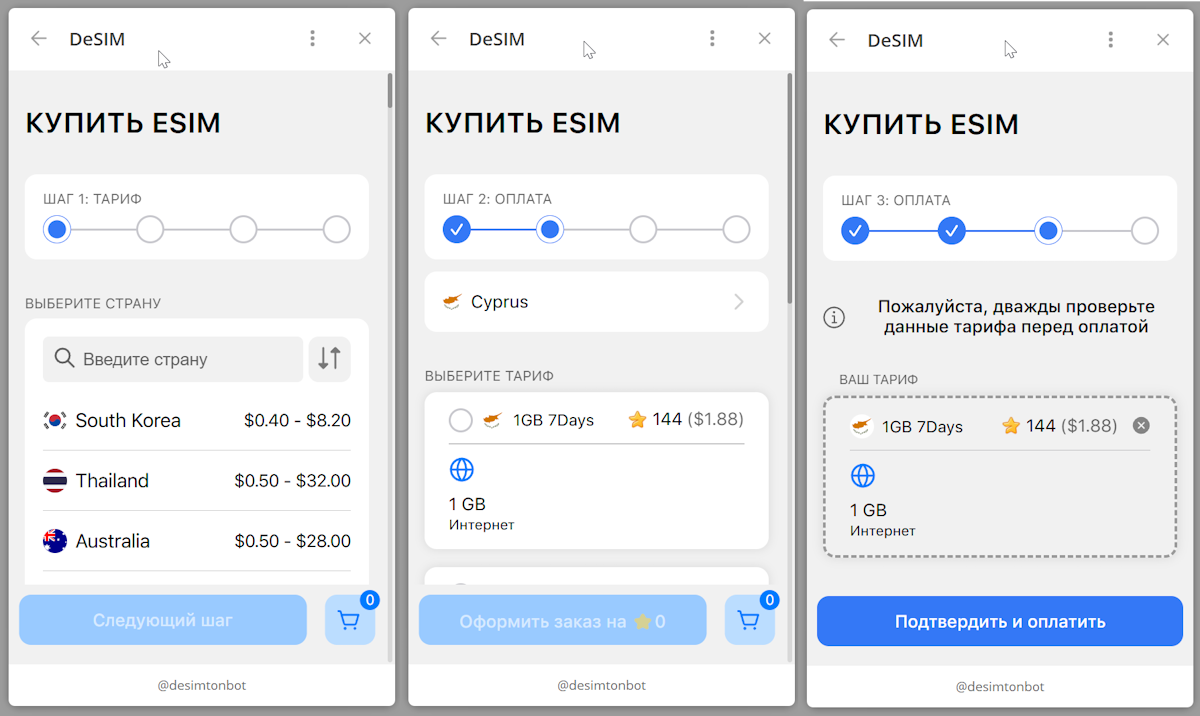
You unbox your new phone and skip the physical SIM tray entirely. After buying an eSIM plan from your carrier’s app, you receive a QR code or confirmation code via email. Opening your phone’s settings, you navigate to the cellular or mobile data section and select “Add eSIM.” You scan the QR code or manually enter the activation code. Within seconds, the digital SIM profile downloads and your line is live. Your first call connects instantly because there is no waiting for a plastic card to arrive. You might wonder: What if the code fails to scan? Simply enter the SM-DP+ address and activation code manually from the email. Once the profile appears under “Cellular Plans,” you label it—perhaps “Work” or “Travel”—and set your default data line. The eSIM icon now replaces the old SIM slot in your status bar, and you immediately test a text message to confirm it works.
Checking Device Compatibility and Carrier Support
Before purchasing an eSIM, verify your handset is unlocked and supports eSIM carrier compatibility. Check your phone’s settings menu for an option labeled “Add Cellular Plan” or “Add eSIM”—if absent, the device likely lacks hardware support. Next, confirm your chosen carrier offers eSIM activation for your specific phone model and region; not all carriers support eSIM on every device. Some carriers restrict eSIM to postpaid accounts or require a physical SIM for initial registration. Visit the carrier’s official website or contact support to confirm your phone’s IMEI is approved for their eSIM service before purchasing a plan.
Scanning a QR Code or Using a Carrier App
To activate your eSIM, obtain a QR code from your carrier, either via email or their website. Open your device’s cellular settings, select “Add eSIM,” and scan the code with your camera. Alternatively, use the carrier’s app, which often automates the process: log in, choose the eSIM plan, and tap “Install.” The app will download the profile directly, bypassing manual QR entry. Carrier app activation typically requires a stable internet connection during installation.
Scanning a QR code or using a carrier app quickly installs your eSIM profile, with the app providing a more automated setup.
Managing Multiple Profiles and Switching Networks
After activating your first digital SIM, you manage multiple profiles via your device’s settings menu, typically under “Cellular” or “Mobile Data.” Each eSIM profile is stored independently, allowing you to switch networks seamlessly by toggling a specific line for voice or data without physically swapping cards. You assign a primary line for calls and a secondary for data, or vice versa, based on coverage needs. Switching is instantaneous, requiring only a tap to re-route connectivity. The handset retains inactive profiles for future use, though only two can be active simultaneously on most devices.
Top Benefits of Using a Virtual SIM for Travel
Using a virtual SIM for travel via an eSIM card eliminates the need to hunt for physical SIMs or risk losing your home card. You can purchase, install, and activate local data plans online before departure, ensuring instant connectivity upon arrival. This enables you to avoid expensive roaming fees while keeping your primary number active for essential calls and 2FA codes. Managing multiple country plans from a single profile is effortless, and switching between data packages takes only seconds in your settings, making it the most streamlined solution for modern international travel.
Avoiding Roaming Fees with Local Data Plans
Using an eSIM to activate a local data plan directly sidesteps the exorbitant daily roaming fees charged by your home carrier. Instead of paying a flat daily rate for limited access, you purchase a regional or country-specific plan at local rates. This eliminates surprise bills entirely, as you pay a one-time upfront cost for a set data allowance. By switching your eSIM’s data line to the local provider, you eliminate roaming surcharges on every megabyte used for maps, messages, or browsing.
Purchasing a local data plan through an eSIM removes roaming fees by securing local rates, preventing unexpected charges, and providing full control over data expenditure.
Keeping Your Home Number Active While Abroad
Keeping your home number active while abroad is a critical travel advantage. An eSIM lets you port your primary line to a virtual profile, ensuring you never miss two-factor authentication codes or vital calls from your UK eSIM bank. Seamless number portability means you switch off high roaming fees. To activate this:
- Check if your carrier supports eSIM number transfer.
- Purchase a local data eSIM for the destination.
- Assign the home eSIM for voice/SMS only.
You then receive all international calls without a physical SIM swap. This system keeps your professional and personal reach intact without incurring daily roaming charges.
Instant Activation Without Visiting a Store
One of the best parts about using an eSIM is instant activation without visiting a store. You can buy a data plan online from the comfort of your couch, scan a QR code, and be connected in minutes. No need to hunt down a shop at the airport or wait in line. This is perfect for last-minute trips or when you arrive late at night, saving you hassle and getting you online right away.
Which Devices Support This Built-In Technology
eSIM support is built into nearly all recent flagship smartphones, including Apple’s iPhone XS and newer, Google’s Pixel 3 and later, and Samsung’s Galaxy S20 series onward. Most modern iPads and Apple Watch models also integrate this technology, allowing seamless activation without a physical SIM. Many high-end Android devices from OnePlus, Huawei, and Xiaomi now ship with dual eSIM or hybrid eSIM slots. Laptops like the Surface Pro X and certain Chromebooks also come equipped. For travelers, eSIM-compatible smartwatches offer standalone cellular connectivity. Confirm your specific model’s settings menu for an “Add eSIM” or “Mobile Plan” option to verify compatibility.
Latest Smartphones, Tablets, and Smartwatches with Support
The most practical support for eSIM technology today is found in flagship smartphones like the iPhone 15 series, which allows dual active eSIMs without a physical SIM tray. Premium Android devices, including the Samsung Galaxy S24 and Google Pixel 8, feature seamless eSIM switching between carriers. In tablets, the iPad Pro and iPad Air support eSIM for instant cellular data plans, eliminating the need for a nano-SIM card. For smartwatches, the Apple Watch Series 9 and Samsung Galaxy Watch 6 enable standalone eSIM connectivity, letting users make calls and stream music without tethering their phone. These devices handle eSIM profiles entirely through software settings, making carrier switching a matter of scanning a QR code.
Laptops and IoT Gadgets That Rely on Embedded Chips
Laptops and IoT gadgets that rely on embedded chips leverage eSIM technology by integrating the SIM profile directly into the device’s motherboard, eliminating the need for a physical card slot. In laptops, this enables seamless switching between cellular networks for constant connectivity without dongles, particularly in ultra-thin models like the Surface Pro or ThinkPad X1. For IoT gadgets—such as smart sensors, asset trackers, or connected cameras—the soldered embedded chip ensures a tamper-resistant, permanent connection in harsh environments. This architectural design reduces power draw by removing slot-based interfaces, extending device longevity in field deployments. Key use cases include:
- Real-time GPS tracking in logistics pallets, relying on embedded eSIM for persistent cellular links.
- Remote firmware updates for smart home hubs via persistent mobile data provisioning.
- Cross-border laptop connectivity for business travelers using local carrier profiles stored on the embedded chip.
How to Check If Your Existing Handset Is Ready
To determine if your existing handset is ready for an eSIM, begin by locating the device’s IMEI number, typically found under Settings > About Phone > Status. Cross-reference this with your carrier’s online compatibility checker, which verifies if the IMEI is whitelisted for eSIM provisioning. Next, ensure your phone’s software is updated to the latest version, as older builds may lack the eSIM manager. A definitive confirmation is if settings reveal an “Add Cellular Plan” or “Add eSIM” option, signaling the built-in eSIM readiness is active.
- Navigate to Settings > Cellular or Mobile Data; look for “Add eSIM” or “Add Cellular Plan.”
- Check your phone’s IMEI via the dialer code *#06# and verify it on your carrier’s eSIM eligibility page.
- Install the latest iOS or Android system update from Settings > Software Update before testing eSIM activation.
- If the phone is carrier-locked, confirm the carrier supports eSIM on your specific model by visiting their official support site.
Comparing Dual SIM Options: Physical vs Digital
Choosing between dual SIM options comes down to physical versus digital. A physical SIM is a chip you slot in, giving you a tangible backup if your phone dies. An eSIM is embedded digitally, so switching profiles takes a few taps instead of fumbling for a tray. For travel, a physical SIM might be simpler if you buy a local card abroad, whereas an eSIM lets you add a data plan instantly without hunting for a store. That digital convenience, however, depends on your carrier supporting seamless profile swaps mid-trip. Ultimately, phones with one physical slot and one eSIM give you the flexibility of mixing both, while eSIM-only devices force you to commit entirely to the digital path—great for clutter-free setup, but risky if you need a quick card swap.
Using One Physical Tray and One Virtual Slot Together
Using one physical tray and one virtual slot together unlocks the most flexible dual-SIM configuration, allowing you to keep your primary carrier’s nano-SIM in the tray while instantly activating a travel or secondary line via eSIM. This setup eliminates the need to swap cards for temporary plans; you can toggle the eSIM profile on or off in settings without touching the tray. Switching between your main number and a data-only eSIM for local rates takes seconds, not a trip to a store. You can designate the physical line for calls and texts while the virtual slot handles high-speed internet, or assign both to different tasks simultaneously, giving you dynamic control over connectivity without sacrificing the physical tray’s permanent slot.
Balancing Work and Personal Lines Without Extra Hardware
Balancing work and personal lines without extra hardware is streamlined by a digital eSIM, which lets you switch between profiles instantly. You can answer client calls on your work number while keeping personal chats separate, all on one device. To set this up:
- Enter your phone’s settings and activate the primary work eSIM profile.
- Assign it specific contacts or apps (like Slack) for business use.
- Toggle to your personal eSIM for evenings or weekends—no second phone needed.
This eliminates the hassle of carrying extra devices, making seamless work-life separation achievable with a single SIM slot.
Drawbacks of Relying Solely on Digital Profiles
Relying only on digital eSIM profiles can be a hassle if your phone’s battery dies or the device breaks, leaving you stranded without instant service access. Transferring a profile to a new phone also often requires scanning a QR code or re-downloading it, which isn’t possible if you’re offline. You also can’t simply swap the SIM into a backup phone like with a physical card. Q: What is the biggest practical risk? A: If your phone malfunctions, you might lose connectivity until you can re-download or contact your carrier.
Security and Privacy Considerations for Remote SIMs
Remote SIM provisioning for eSIM cards introduces specific security and privacy considerations distinct from physical SIMs. The profile download process must use end-to-end encryption to prevent interception of carrier credentials during installation. Users must verify that their device’s eSIM management interface requires explicit, authenticated consent before any remote profile activation or deletion. Privacy risks arise from a remote operator’s ability to silently update or disable an eSIM profile, potentially tracking location or altering connectivity without user awareness—a physical SIM’s manual swap provides a level of tamper-obvious control that eSIMs inherently lack. Always use strong device passcodes and disable remote management features unless you explicitly trust the provisioning service. Avoid scanning unknown QR codes promising free eSIMs, as malicious profiles can exfiltrate your IMEI or persist even after a factory reset if not properly deactivated.
How Remote Provisioning Reduces SIM Swap Fraud
Remote provisioning for eSIM directly mitigates SIM swap fraud by eliminating the transfer of a physical SIM card from one device to another. Instead of relying on a vulnerable plastic card that can be intercepted or cloned, an eSIM’s profile is downloaded and authenticated solely through cryptographically secured network commands. This means a fraudster cannot physically obtain a SIM from a retailer or intercept a card in the mail to initiate a swap. Cryptographically-secured digital authentication ensures that only the verified device and user identity, validated by the carrier’s backend, can trigger a profile migration, rendering the traditional social-engineering-based SIM swap attack impossible because no physical token ever changes hands.

Locking Digital Profiles with Device Passcodes
Locking your eSIM’s digital profile with a device passcode is a super simple yet mighty security step. When you set a strong phone lock, you’re encrypting the digital profile itself, meaning no one can swap, delete, or mess with your eSIM without that code. It’s your first defense against someone physically grabbing your phone and absconding with your mobile identity. This profile-level encryption keeps your remote SIM data safe even if the device is lost. Q: Does the passcode protect my eSIM if I remove the physical SIM? A: Yes, the device lock secures the digital profile regardless of other SIMs, so your eSIM stays locked down.
What Happens If Your Device Is Lost or Stolen
If your device is lost or stolen, a remote SIM’s primary vulnerability is that eSIM-based line access can be bricked remotely without a physical card to remove. You must immediately log into your carrier’s account or app to suspend the eSIM profile, preventing any unauthorized calls or data usage. A critical nuance is that if the thief cannot access your device’s PIN or biometric lock, the eSIM remains inactive without a factory reset, which deletes the profile entirely. Without that suspension, the eSIM remains active on the lost hardware, allowing potential misuse until the carrier deactivates the line.
If lost or stolen, suspend the eSIM remotely via your carrier account; the profile is tied to the device and cannot be physically removed, so rapid deactivation is the only practical countermeasure.
Overcoming Common Hurdles When Adopting This Technology
Overcoming common hurdles with eSIM adoption starts with confirming device compatibility and carrier support through official settings menus, not assumptions. Activation hiccups often stem from scanning a static QR code instead of using a carrier’s app for real-time provisioning—switch methods if a scan fails. Network switching stumbles when users forget to designate a primary line for data; set that preference explicitly in your phone’s cellular settings.
If roaming doesn’t activate, manually download the eSIM profile over Wi-Fi before departure, then toggle airplane mode to force a fresh network handshake.
Focus on these procedural steps, and you’ll bypass most friction without needing support.
Carrier Restrictions and Unlocking Requirements
A significant hurdle with eSIM adoption is navigating carrier unlocking policies. Many providers lock an eSIM profile to their network, preventing you from switching to a local carrier while traveling abroad. To avoid this, always confirm that your eSIM is sold as “unlocked” before purchase. If your device is carrier-locked, you must request an unlock code from your original provider, a process that can take days. For immediate flexibility, choose an eSIM provider that explicitly guarantees no carrier restrictions, ensuring you can manage profiles freely without bureaucratic delays.
Troubleshooting Activation Errors on Different Networks
Activation errors often stem from network-specific incompatibilities or incorrect profile provisioning. Ensure your device is unlocked and supports the target network’s eSIM carrier profile. On GSM-based networks, verify APN settings are correctly pushed; for CDMA carriers, confirm IMEI whitelisting. Toggle airplane mode after scanning the QR code to force a network refresh. Common fixes include manually adding the activation code or resetting network settings to clear cached profiles.
- Check carrier compatibility lists for eSIM support before purchase.
- Re-request a new QR code if the initial one expires (typically within 24 hours).
- Disable Bluetooth and WiFi during activation to prevent conflicts with provisioning servers.
Transferring eSIM Data When Upgrading to a New Phone
Upgrading your phone doesn’t mean losing your eSIM profile. Most carriers now let you transfer the digital profile directly through their app or website, often generating a new QR code or activation link for your device. For many modern smartphones, a built-in “quick transfer” feature wirelessly moves the eSIM alongside your apps and settings during setup. Carrier app-based eSIM transfer is the simplest route, bypassing physical SIM swaps entirely. Question: Can I transfer my eSIM myself without calling support? Answer: Yes, typically by logging into your carrier account on your new phone or using a transfer code sent via email—just ensure the old device is disconnected first to avoid conflicts.
Future Trends in Mobile Connectivity Beyond Plastic Cards
The clatter of plastic cards in a traveler’s wallet is fading, replaced by a silent profile swap via eSIM. Soon, your phone will become a universal identity hub—no more fumbling with a physical tray when landing in a new country. Will eSIM replace all plastic SIMs entirely? Yes, as embedded profiles update over-the-air, switching carriers becomes as instant as switching Wi-Fi networks. For a remote worker, this means maintaining two active lines—one for work, one for local data—without carrying a second device. The future holds multi-profile management where your device automatically selects the cheapest or fastest network based on your location, all stored digitally on the eSIM chip.
Integration with Smartwatches for Standalone Cellular Service
With an eSIM, your smartwatch can get a standalone cellular connection that works completely separate from your phone. This means you can stream music, reply to texts, or take calls using the watch’s own number and data plan. Pairing is done through a carrier app, downloading the eSIM profile directly to the watch. You no longer need to carry your phone for a run or errand—just strap on the watch and stay connected.
Integration with smartwatches for standalone cellular service gives you the freedom to leave your phone behind while still calling, texting, and streaming directly from your wrist.
Enterprise Use Cases for Fleet and Remote Worker Management
Fleet and remote worker management benefit from eSIM by enabling centralized, over-the-air provisioning of mobile profiles across vehicles and distributed staff. A fleet manager can remotely switch a truck’s connectivity provider to optimize coverage along a new route, directly reducing downtime. For remote workers in isolated sites, eSIMs allow dynamic carrier selection to maintain consistent connectivity without device swaps. A logical sequence includes:
- Deploy eSIM profiles to all fleet vehicles and field devices.
- Monitor real-time data usage and signal strength per worker location.
- Trigger automatic profile switches via a management platform when primary carriers fail.
This eliminates the operational friction of physically distributing SIM cards to mobile teams. Such granular control over network access directly improves logistics execution and field productivity.
How 5G and IoT Are Driving Wider Adoption
The explosive growth of 5G and the Internet of Things has made the eSIM a practical necessity. While 4G could handle basic connectivity, 5G’s ultra-low latency and massive device density demand instant, remote provisioning that a physical card simply cannot deliver. IoT devices—from smart sensors in factories to autonomous delivery robots—are deployed in sealed, inaccessible locations; an eSIM allows them to connect to the strongest 5G signal without physical access. This dynamic shift eliminates the need to swap cards for upgrades or network failures, making adoption inevitable for anyone wanting seamless, high-speed connectivity.
How does 5G’s speed directly force wider eSIM adoption? Because 5G networks require instantaneous device authentication and carrier switching to maintain peak performance—tasks a removable plastic card slows down, but an embedded eSIM handles dynamically.
